2025 Supplements and Nutrition Industry Trends
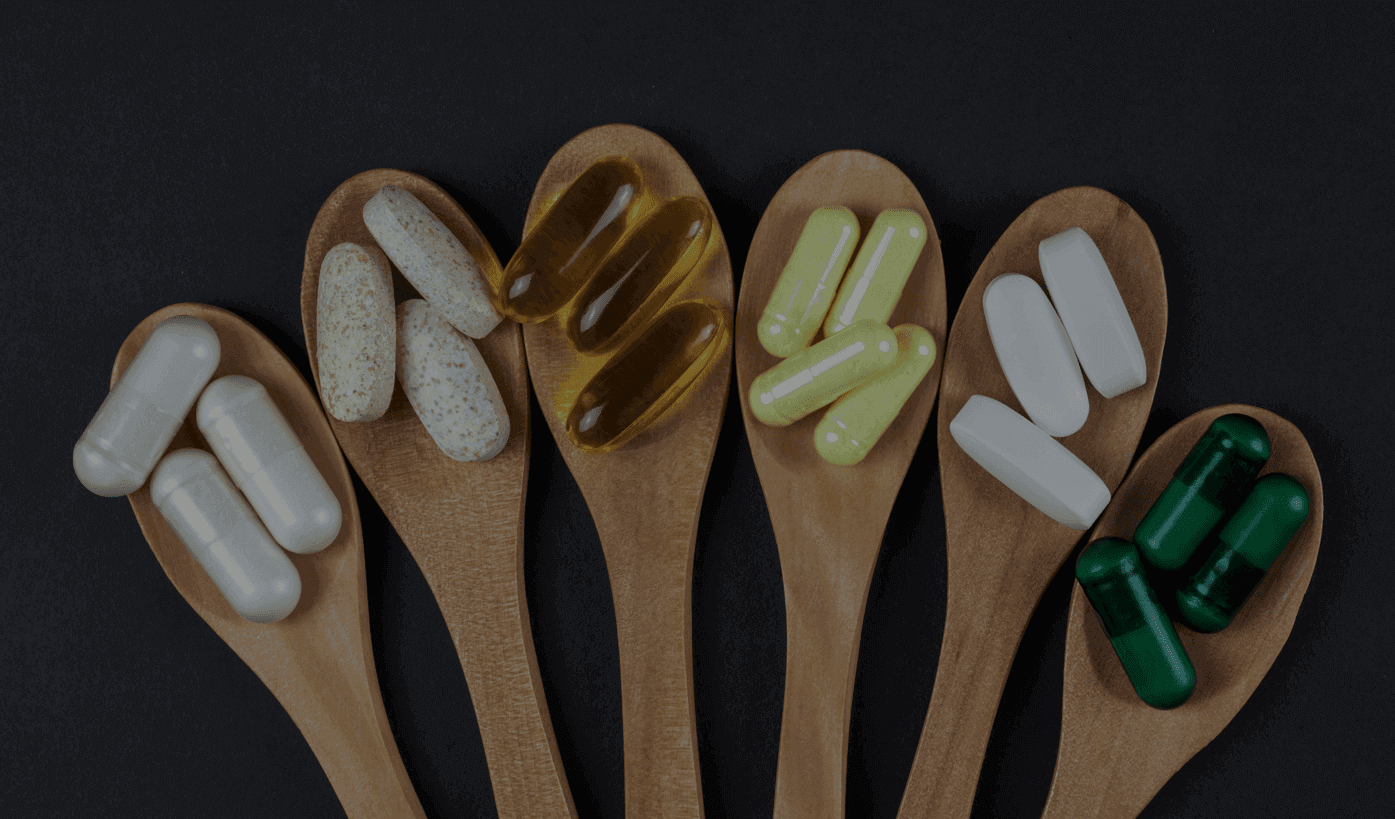
The supplements and nutrition industry is undergoing a significant transformation, driven by evolving consumer preferences, advancements in health and wellness, and the growing influence of social media trends. The market is projected to expand notably as more consumers prioritize health consciousness, with an increasing number embracing a healthier lifestyle. Many individuals are turning to supplements to fill nutritional gaps in their diets or daily meals. The U.S. retail vitamin, mineral, and supplement market, valued at $35.7 billion, is forecasted to grow at a compound annual growth rate (CAGR) of 2.5% from 2022 to 2027.
Key trends shaping the landscape include a rising demand for customized nutrition that caters to individual health needs, a heightened focus on women’s health, the increasing significance of beauty supplements, a surge in nutraceuticals, and the impactful role of social media influencers in driving consumer awareness and engagement.
Trend #1: Customized Supplements Continue to Rise
The rapidly evolving market of customized supplements is driven by rising health awareness, technological advancements, and a growing demand for customized health solutions. As consumers become more aware of to their individual health and wellness needs, businesses can anticipate a significant rise in the demand for personalized supplements that offer tailored approaches to selfcare.
This trend is driven by consumers’ growing willingness to spend money on items that precisely address their individual health concerns, as well as a strong emphasis on longevity and preventative health. The abundance of supplement options accessible to consumers sometimes leaves them feeling overwhelmed, so they search for an all-in-one solution that simplify their choices.
The market trend for these customized nutrition solutions primarily resonates with women, Millennials and Gen Z, but is also being driven by the increasing geriatric population, the growing incidences of lifestyle-related diseases, and the rising concerns over inadequate nutrition.
Businesses can effectively target these demographics by creating personalized and tailored formulation that cater to their unique preferences. Advancements in technology, particularly in AI, are enabling businesses to create more customized products that align with individual health profiles. Additionally, accurate data collection is set to enhance companies’ abilities to successfully customize supplements. Businesses may address changing customer expectations and position themselves for long-term growth in this dynamic industry by prioritizing personalized health solutions in their research and development.
Trend #2: Women’s Health Remains a Priority
The market for women’s health is expected to develop significantly, especially in areas that address menopause, fertility, and hormonal changes. This sector has historically been underserved and underfunded, creating an on opportunity for businesses to innovate and meet the specific health needs of women. The market is changing because of growing attention and understanding of issues like perimenopause, menstrual health, and overall well-being.
Dietary supplements are emerging as the fastest growing segment, driven by women’s demand for natural and herbal wellness solutions. Supplements that address specific health issues, such as menopause, PMS, prenatal and postnatal health, and urinary tract health are becoming increasingly more popular than generic goods like multivitamins. This trend is reflected in the offerings of newer brands, such as Wile’s 40+ Period support and Health & Her’s Mind + for hormone regulation.
Trend #3: Nutraceuticals Gaining Steam
Nutraceuticals are recognized as supplements that provide health benefits beyond basic nutrition, playing a role in disease prevention and treatment, in contrast to standard dietary supplements. The global nutraceutical market is experiencing significant growth, expanding at an annual rate of 8.9%. This surge can be attributed to a more educated and aging population, a rise in lifestyle-related diseases, heightened stress levels, and increasing awareness of the importance of personalized
and healthier dietary choices.
As the nutraceutical sector expands, driven by demographic shifts and ongoing research, the demand for cost-effective solutions is intensifying. Today's consumers, who are increasingly knowledgeable and focused on quality, prioritize products that are sustainable, safe, and offer multiple health benefits. Key factors driving market growth include a focus on preventive healthcare, the prevalence of lifestyle-related disorders, and a growing consumer emphasis on health
promoting diets. The shift towards self-directed care for lifestyle-related health issues, such as cardiovascular disorders and malnutrition, is also driving the popularity of nutraceuticals. Consumers are increasingly recognizing the associated medical and health benefits, which boosts global acceptance. Additionally, the escalating costs of healthcare and the expanding geriatric population are projected to support the continued growth of the nutraceutical industry in the coming years. Positive consumer attitudes toward functional foods, driven by their enhanced health and wellness benefits, are contributing to this robust market expansion. Factors such as demographic changes, healthcare expenditure, evolving lifestyles, food innovation, and consumer willingness to invest in quality products are all pivotal to the growth of the nutraceutical landscape.
Trend #4: Influencers Driving Supplment Marketing
Influencers are increasingly pivotal in the supplements and nutrition industry, fostering a more personal connection with consumers. Brands have strategically partnered with influencers to promote their products and raise awareness around specific health topics. For example, Bloom Nutrition, a rapidly growing wellness brand, effectively utilizes social media marketing to promote its super greens powders. By using a 90% social media marketing strategy, Bloom has successfully
targeted niche audiences and scaled its market presence. CEO Greg LaVecchia attributes the brand's impressive $170 million in sales in 2023 to its integrated social media and omnichannel sales approach.
Supplement brands have recognized the potential of influencer collaborations, whether through sponsored content or product samples for review, to enhance brand visibility and drive sales. By aligning with influencers whose values resonate with their target demographics, these brands can effectively engage their ideal customers. Social media platforms like TikTok are also powerful catalysts for trends within the vitamins, minerals, and supplements industry. Topics such as high-protein diets, hydration, creatine, magnesium, and gut health are prevalent, and the viral nature of social media can rapidly elevate product popularity and
boost sales. However, it is crucial for supplement brands to navigate regulatory restrictions by adhering to FTC guidelines, ensuring transparency, and maintaining consumer trust.